
Blog
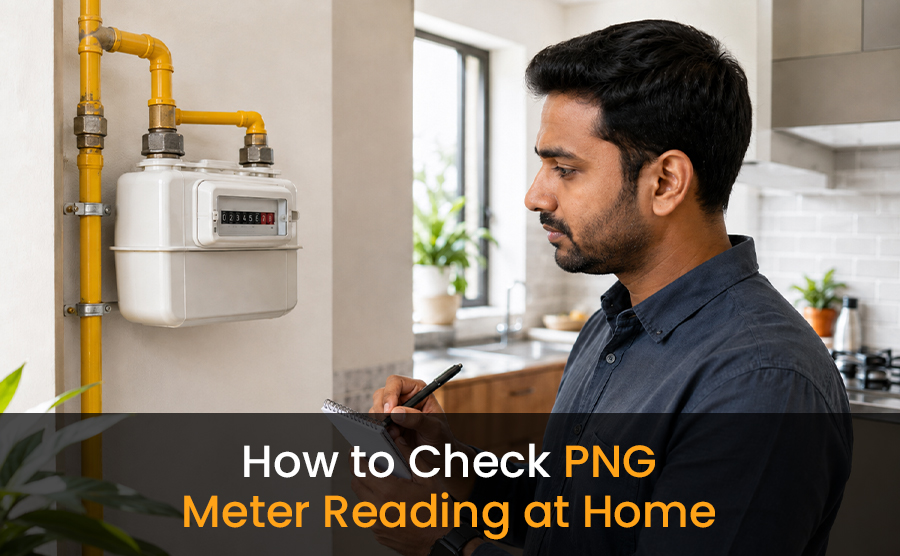
How to Check PNG Meter Reading at Home
Introduction
Many households today use PNG connections for daily cooking and other domestic needs because it offers convenience, cleaner fuel usage, and a continuous gas supply. However, many people still feel confused when it comes to checking their PNG meter reading at home. Some homeowners only look at the final bill without understanding how the gas consumption is actually measured.
Learning how to check PNG meter reading is not difficult. Once you understand the process, it becomes easier to monitor gas usage, identify unusual consumption, and keep track of monthly bills more accurately. It also helps families become more aware of their overall energy usage habits.
In this guide, we will explain how to read a domestic PNG meter in simple and practical language so that anyone can understand the process without technical confusion.
How Your PNG Meter Tracks Gas Consumption
Before learning how to check the meter reading, it is important to understand the purpose of a PNG meter.
A PNG meter measures the amount of piped natural gas consumed in your home. The meter records gas usage continuously whenever gas appliances such as stoves or geysers are in operation. The reading displayed on the meter helps the gas company calculate your monthly PNG gas bill.
Most residential PNG meters display numbers that represent the volume of gas consumed over time. These readings are usually measured in cubic meters.
The meter acts as an important connection between your household usage and the billing system. This is why accurate PNG meter reading matters for both customers and gas providers.
Why Checking the PNG Meter Reading is Important
Many people ignore their meter until they receive a higher-than-expected bill. Regular monitoring can help avoid such surprises and improve awareness about daily gas consumption.
Here are a few reasons why checking the PNG meter reading at home is useful:
- Helps track monthly gas usage
- Makes it easier to understand billing patterns
- Allows early detection of unusual gas consumption
- Supports better household energy management
- Helps compare gas usage during different seasons
For example, gas usage may naturally increase during winter if hot water systems are connected to the PNG supply. By checking the meter regularly, homeowners can better understand these usage changes.
Different Types of PNG Gas Meters Used at Home
Most homes with a PNG connection use either mechanical meters or digital meters to measure gas consumption. Although the appearance and features may differ depending on the gas company, both types are designed to track the amount of gas used in the household accurately.
Mechanical PNG Meters
Mechanical PNG meters are commonly installed in many residential properties. These meters usually have rotating number counters that move forward as gas is consumed in the home. The reading displayed on the meter helps calculate monthly gas usage and billing. Many homeowners prefer them because they are simple to understand and easy to monitor regularly.
Digital PNG Meters
Digital PNG meters show readings electronically on a screen, making them easier to read clearly. Some advanced digital meters may also display additional information such as gas flow status, usage indicators, or warning notifications for better monitoring and convenience.
How to Check PNG Meter Reading at Home
Checking your PNG gas meter reading is usually a simple process that takes only a few minutes.
1. Locate the PNG Meter
The first step is to find the meter installed by your gas provider. In most homes, the meter is placed:
- Near the kitchen area
- Outside the house wall
- In utility sections or meter cabinets
- Near the main gas pipeline entry point
Ensure the area around the meter is clean and visible before checking the reading.
2. Read the Numbers on the Meter
Look carefully at the numbers displayed on the front panel.
In most domestic PNG meters:
- Black digits represent the primary gas consumption reading
- Red digits or decimal numbers may represent smaller measurement units
For regular billing purposes, homeowners usually focus only on the black digits.
For example, if the meter displays:
005824.76
The main PNG meter reading would generally be considered 5824 cubic meters.
3. Record the Reading Properly
Write down the reading along with the date and time. Keeping a monthly record helps track consumption trends more effectively.
Many homeowners now store readings digitally using mobile notes or spreadsheets for easier comparison over time.
4. Compare With Previous Readings
To understand your actual gas usage, compare the latest reading with the previous recorded reading.
For example:
- Previous reading: 5750
- Current reading: 5824
Gas consumed = 74 cubic meters
This basic method helps calculate approximate PNG gas usage between billing periods.
How to Calculate PNG Gas Usage
Understanding your gas consumption can help manage household expenses more efficiently.
The simplest way to calculate usage is:
Current Meter Reading – Previous Meter Reading = Total Gas Consumption
If your gas provider applies different billing slabs or fixed charges, the final amount may vary slightly from the raw usage calculation.
Some households also monitor weekly readings instead of monthly readings to better understand appliance-wise consumption patterns.
For example, increased usage may occur due to:
- Extended cooking hours
- Frequent use of gas geysers
- Additional family members
- Seasonal changes
Tracking usage regularly can help identify these patterns more clearly.
Common Mistakes People Make While Checking PNG Meter Reading
Even though the process is simple, some homeowners make small errors while reading the meter.
- Ignoring Decimal Numbers Incorrectly: Some users become confused about whether decimal values should be included. In most cases, standard billing focuses mainly on the primary digits shown before the decimal point.
- Reading the Wrong Meter: In apartment complexes or societies, multiple meters may be installed together. Always verify that you are checking the correct meter assigned to your flat or house.
- Not Recording Readings Regularly: Irregular tracking makes it difficult to compare monthly usage properly. Maintaining a simple record improves accuracy and awareness.
Misunderstanding Sudden Usage Changes: A sudden increase in PNG gas usage does not always indicate a fault. Seasonal usage changes or increased appliance usage may naturally affect the reading.
Signs Your PNG Meter Reading May Need Attention
Sometimes homeowners may notice unusual patterns in gas consumption. While occasional fluctuations are normal, certain situations may require closer attention.
Watch for signs such as:
- Unusually high gas bills
- Meter numbers are increasing rapidly without major usage
- Visible damage to the meter
- Difficulty reading the display
- Unusual smell near the gas meter area
If you notice these issues, avoid trying to repair the meter yourself. Contact your PNG gas provider for inspection and support.
Tips to Maintain Accurate PNG Meter Readings
Following a few simple practices can help homeowners maintain accurate PNG meter readings and monitor gas usage more effectively over time. Regular attention to the meter also helps avoid confusion related to billing and unexpected consumption changes.
1. Keep the Meter Area Clear
Always make sure the meter remains easily accessible. Avoid placing furniture, storage boxes, or heavy materials around it, as blocked access can make inspections and reading checks more difficult.
2. Track Readings Regularly
Checking your PNG meter reading every month helps you notice changes in gas usage early. Regular tracking also makes it easier to compare consumption patterns and understand your monthly bills better.
3. Observe Appliance Usage
Gas usage may increase if appliances are used excessively or are not functioning efficiently. Monitoring daily usage habits can help improve household energy efficiency.
4. Protect the Meter Properly
Avoid touching, shifting, or placing pressure on the meter. Proper care helps maintain accurate performance and long-term reliability.
When to Contact Your PNG Gas Provider
There are situations where professional support becomes necessary.
You should contact your provider if:
- The meter display stops working
- You suspect incorrect billing
- The meter appears physically damaged
- Gas leakage is suspected
- Readings change abnormally without explanation
Professional inspection helps ensure both safety and billing accuracy.
Conclusion
Learning how to check the PNG meter reading at home is a simple but valuable habit for every household using piped natural gas. It helps homeowners understand their gas consumption better, monitor billing patterns, and improve overall energy awareness.
With regular tracking and proper understanding of the meter display, managing domestic PNG usage becomes much easier and more transparent. Small efforts like recording monthly readings and observing consumption patterns can help avoid confusion and support smarter household energy management over time.
As more homes continue adopting PNG connections for cleaner and more convenient fuel access, understanding meter readings will remain an important part of responsible and efficient gas usage.